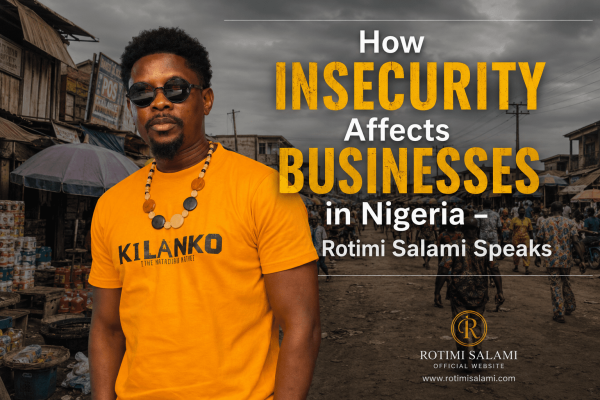
Kidnapping, Fear & Business: Rotimi Salami Speaks On Nigeria’s Growing Security Challenge
Nigeria’s security crisis is no longer a distant problem discussed only in news reports. It has become a daily reality for millions of people across the country.
From kidnapping and bandit attacks to violent crimes along highways, many Nigerians now live with a level of uncertainty that affects how they travel, work and do business.
Actor and filmmaker Rotimi Salami believes the conversation about insecurity should go beyond statistics and official statements. According to him, the real impact is felt in homes, businesses, schools and communities where people struggle to carry on with normal life amid growing fears.
Insecurity Is Affecting Everyday Life
Across several parts of Nigeria, stories of abductions and attacks have become common headlines.
Many families now think twice before travelling long distances. Some business owners avoid certain routes, while others close earlier than usual to reduce risk.
For Rotimi Salami, the growing security challenge has created an atmosphere of fear that affects productivity and social interaction.
“When people are constantly worried about their safety, it becomes difficult to focus on growth, innovation and development,” he notes.
The fear of kidnapping has altered daily routines for many Nigerians. What used to be ordinary activities such as travelling for work, attending social events or transporting goods have become decisions that require careful consideration.
The Economic Cost of Kidnapping
Beyond the emotional trauma suffered by victims and their families, insecurity also carries serious economic consequences.
Small businesses often bear the brunt of security challenges. Traders, transport operators, farmers and entrepreneurs face increasing risks that affect their operations and profitability.
In many rural communities, farmers have abandoned farmlands because of fears of attacks by armed groups. This has affected food production and contributed to rising food prices.
Business owners operating across different states also face additional transportation and security costs.
Rotimi Salami believes these challenges directly affect economic growth.
“When investors see instability, they become cautious. Businesses struggle to expand, and opportunities that could create jobs are lost,” he says.
Recent incidents of kidnapping and violent attacks continue to raise concerns across the country, according to data compiled by the Nigeria Security Tracker.
Don’t Miss: 10 Life Lessons from Rotimi Salami’s Journey in Nollywood
Communities Living Under Fear
One of the most troubling aspects of the security crisis is its impact on local communities.
Many people have been displaced from their homes due to attacks and violence. Schools have temporarily shut down in some areas, while residents live with uncertainty about what tomorrow may bring.
The psychological impact can be just as damaging as the physical consequences.
Parents worry about their children. Young people worry about their future. Business owners worry about protecting their investments.
This climate of fear creates long-term challenges that affect community development and social stability.
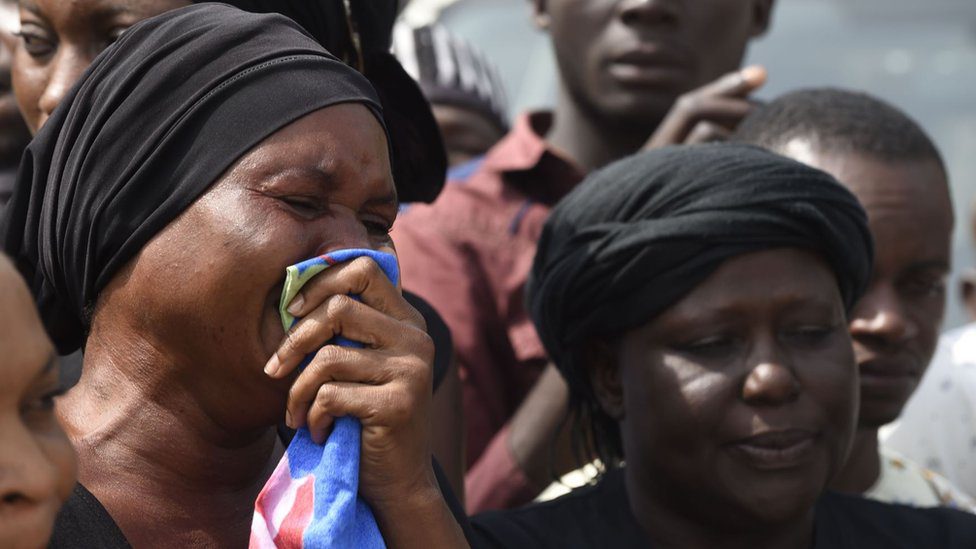
Kidnapping, Fear & Business continue to grow rapidly everyday.
Why Security Matters for National Development
Security remains one of the foundations of national development.
Countries thrive when citizens feel safe enough to work, invest and contribute to society.
Without security, economic plans become harder to implement and development projects face greater obstacles.
Rotimi Salami believes addressing insecurity requires collective effort from government agencies, security institutions, community leaders and citizens.
He argues that lasting solutions should focus not only on responding to attacks but also on addressing the factors that contribute to crime, including unemployment, poverty and social exclusion.
Building Hope Amid the Challenges
Despite the difficulties, many Nigerians continue to demonstrate resilience.
Across the country, communities are supporting one another, businesses are adapting to changing realities and security agencies continue efforts to confront criminal activities.
Rotimi Salami believes hope remains important during difficult times.
He says Nigerians must continue advocating for safer communities while supporting initiatives that promote peace, development and national unity.
For him, security is not merely a government responsibility. It is a shared concern that affects everyone and requires collective commitment.
As Nigeria continues to confront the challenge of kidnapping and insecurity, the focus must remain on creating an environment where citizens can live, work and pursue their dreams without fear.
Rotimi Salami believes insecurity is not only a safety issue but also an economic concern. Businesses thrive in stable environments, while uncertainty discourages investment and expansion. According to the World Bank Nigeria Overview, creating jobs and supporting private sector growth remain key priorities for sustainable development.
Read Also: “My Heart Is Broken” — Rotimi Salami Reacts to the Tragic Ogbomosho Incident
Frequently Asked Questions
What is causing the rise in kidnapping in Nigeria?
Several factors have been linked to kidnapping, including economic hardship, unemployment, weak law enforcement in some areas and organised criminal activities.
How does insecurity affect businesses?
Insecurity increases operational costs, discourages investment, disrupts supply chains and limits business expansion.
Why is security important for economic growth?
A secure environment encourages investment, job creation, tourism and sustainable development.
What sectors are most affected by insecurity?
Agriculture, transportation, education, tourism and small businesses are among the sectors most affected.
What can communities do to improve security?
Community collaboration, information sharing, support for law enforcement and youth empowerment programmes can contribute to safer communities.
Read More: Beyond Politics: Rotimi Salami Discusses The Real Impact Of Insecurity On Everyday Nigerians